

What Makes Art Reproductions High-Quality? Features of Quality Reproductions
- W. K. Johnson
- Jul 3
- 4 min read
When I first started exploring art reproductions, I was curious about what truly sets a high-quality piece apart from a simple copy. After all, reproductions can bring beautiful art into our homes without the hefty price tag of originals. But not all reproductions are created equal. Some capture the essence and detail of the original work, while others fall flat, losing the vibrancy and texture that make the art special.
In this post, I want to share what I’ve learned about the features of quality reproductions. Whether you’re looking to decorate your space or find a thoughtful gift, understanding these features can help you choose pieces that bring lasting joy and authenticity to your collection.
Features of Quality Reproductions: What to Look For
When I talk about features of quality reproductions, I’m referring to the elements that ensure the artwork feels as close to the original as possible. Here are some key aspects to consider:
Material Quality: The type of canvas or paper used plays a huge role. High-quality reproductions often use archival-grade materials that resist fading and wear over time. This means your artwork will look vibrant for years.
Printing Technology: Modern printing methods like giclée printing use high-resolution inkjet printers with archival inks. This technology captures fine details and subtle color variations, making the reproduction rich and true to the original.
Color Accuracy: Colors should be carefully matched to the original artwork. This requires skilled color calibration and sometimes manual adjustments to ensure the hues are spot on.
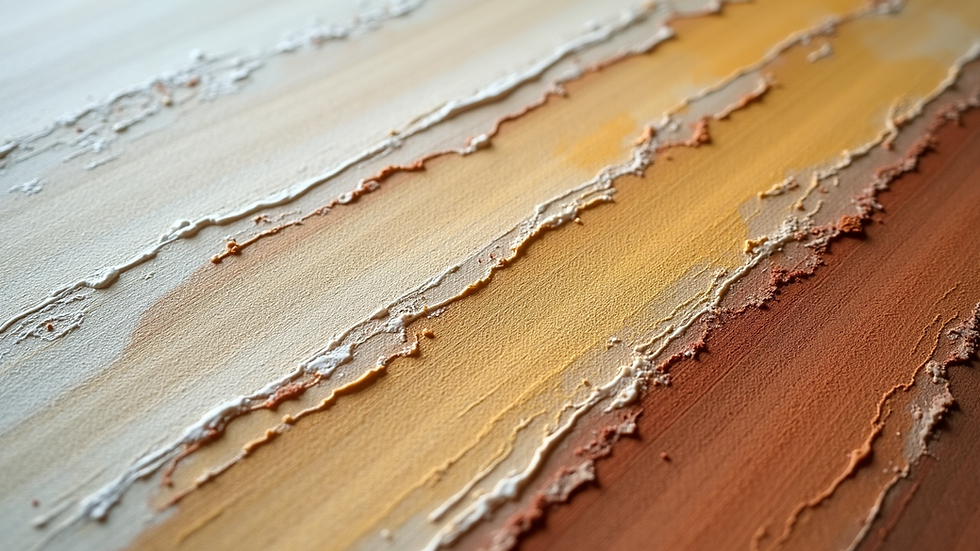
Texture and Finish: Some reproductions mimic the texture of brushstrokes or the canvas weave. This adds depth and a tactile quality that makes the piece feel more authentic.
Size and Scale: A quality reproduction respects the original dimensions or scales the artwork proportionally without distortion.
Framing and Presentation: While not part of the reproduction itself, how the piece is framed and presented can enhance its overall impact.
By paying attention to these features, you can avoid reproductions that look flat or cheap and instead find pieces that truly honor the original artist’s vision.
The Role of Technology in Creating Quality Art Reproductions
Technology has transformed how art reproductions are made. When I first encountered giclée prints, I was impressed by how they captured the nuances of color and detail. This method uses archival inks sprayed onto high-quality paper or canvas, producing prints that can last over 100 years without fading.
Here’s why technology matters:
Precision: High-resolution scanners and printers capture every detail, from fine lines to subtle shading.
Color Fidelity: Advanced color management systems ensure the colors in the reproduction match the original painting as closely as possible.
Durability: Archival inks and materials resist UV light and environmental damage, preserving the artwork’s appearance.
Customization: Technology allows for reproductions in various sizes and finishes, catering to different tastes and spaces.
When you invest in a high-quality reproduction, you’re often getting a piece that benefits from these technological advances, making it a worthwhile addition to your home or collection.
Is Art Reproduction Legal?
You might wonder about the legality of art reproductions. It’s a common question, and understanding the basics can help you feel confident in your purchase.
Copyright Status: Original artworks are protected by copyright, usually for the artist’s lifetime plus 70 years. After this period, the work enters the public domain, and reproductions can be made legally without permission.
Licensing and Permissions: For works still under copyright, reproductions require permission or licensing from the artist or rights holder. This ensures the artist’s rights are respected and they receive appropriate compensation.
Fair Use Exceptions: Some reproductions may fall under fair use, but this is limited and often does not apply to commercial sales.
Ethical Considerations: Beyond legality, ethical reproduction respects the artist’s intent and contribution. Supporting artists by purchasing authorized reproductions helps sustain their work.
When buying art reproductions, it’s best to choose sources that clearly state their rights and permissions. This way, you support the art community and avoid legal complications.

How to Care for Your Art Reproductions
Once you have a beautiful reproduction, keeping it in great condition is important. Here are some practical tips I follow to maintain the quality of my art pieces:
Avoid Direct Sunlight: Even with archival inks, prolonged exposure to sunlight can cause fading. Place your art in areas with indirect light.
Control Humidity and Temperature: Extreme conditions can damage paper and canvas. Aim for a stable environment with moderate humidity.
Clean Gently: Dust your artwork with a soft, dry cloth. Avoid using water or cleaning products on the surface.
Use Proper Framing: UV-protective glass or acrylic can shield your reproduction from light damage. Acid-free mats and backing prevent deterioration.
Handle with Care: When moving or hanging your art, handle it by the frame to avoid touching the surface.
By following these steps, your reproduction will remain a vibrant and cherished part of your space for years to come.
Why Investing in Quality Matters
I’ve seen firsthand how a well-made reproduction can transform a room. It’s not just about decoration; it’s about connecting with the art on a deeper level. A quality piece invites you to pause, reflect, and enjoy the beauty and emotion the artist intended.
Choosing a high-quality reproduction means you’re investing in:
Longevity: The artwork stays beautiful and intact over time.
Authenticity: The piece respects the original’s colors, details, and texture.
Satisfaction: You feel proud to display a piece that truly represents the artist’s work.
Value: Quality reproductions can appreciate in sentimental and aesthetic value.
Whether you’re decorating your home or searching for a meaningful gift, these features make all the difference.
I hope this guide helps you appreciate what goes into making art reproductions truly special. When you understand the features of quality reproductions, you can choose pieces that enrich your space and bring lasting joy. After all, art is meant to be experienced and shared, and a well-crafted reproduction can do just that.


Comments